7. CHEMICAL PROPERTIES OF COTTON
Cotton swells in a high humidity environment, in water and in concentrated solutions of certain acids, salts and bases. The swelling effect is usually attributed to the sorption of highly hydrated ions. The moisture regain for cotton is about 7.1~8.5% and the moisture absorption is 7~8%. [20]
Cotton is attacked by hot dilute or cold concentrated acid solutions. Acid hydrolysis of cellulose produces hydro-celluloses. Cold weak acids do not affect it. The fibers show excellent resistance to alkalis. There are a few other solvents that will dissolve cotton completely. One of them is a copper complex of cupramonium hydroxide and cupriethylene diamine (Schweitzer's reagent [11])
Cotton degradation is usually attributed to oxidation, hydrolysis or both. Oxidation of cellulose can lead to two types of so-called oxy-cellulose [12], depending on the environment, in which the oxidation takes place.
copied and pasted from here: COTTON FIBERS
Note it doesn't mention e liquid though.
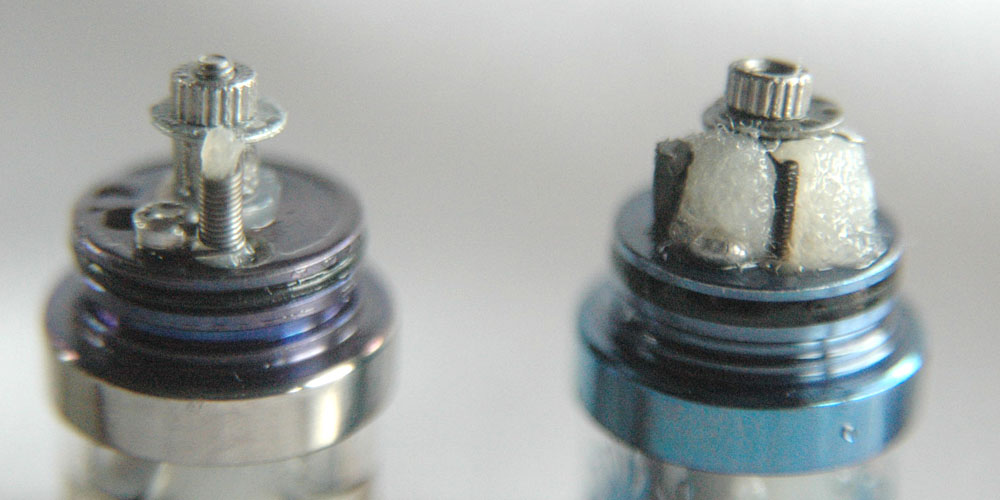
I didn't say cotton fibers don't expand. I said my cotton wick doesn't swell.
The weight of the liquid may reduce cotton wick size in spite of expanding fibers. More than once I've had to tighten up a wick gone loose. The wick density plays a big role here. Approach the wick limit, say 2 hair sized fibers in your wick. One fiber 1/4" above the other. One drop of liquid and now wick has collapsed to size of maybe 3 hairs.